Other Publications
-

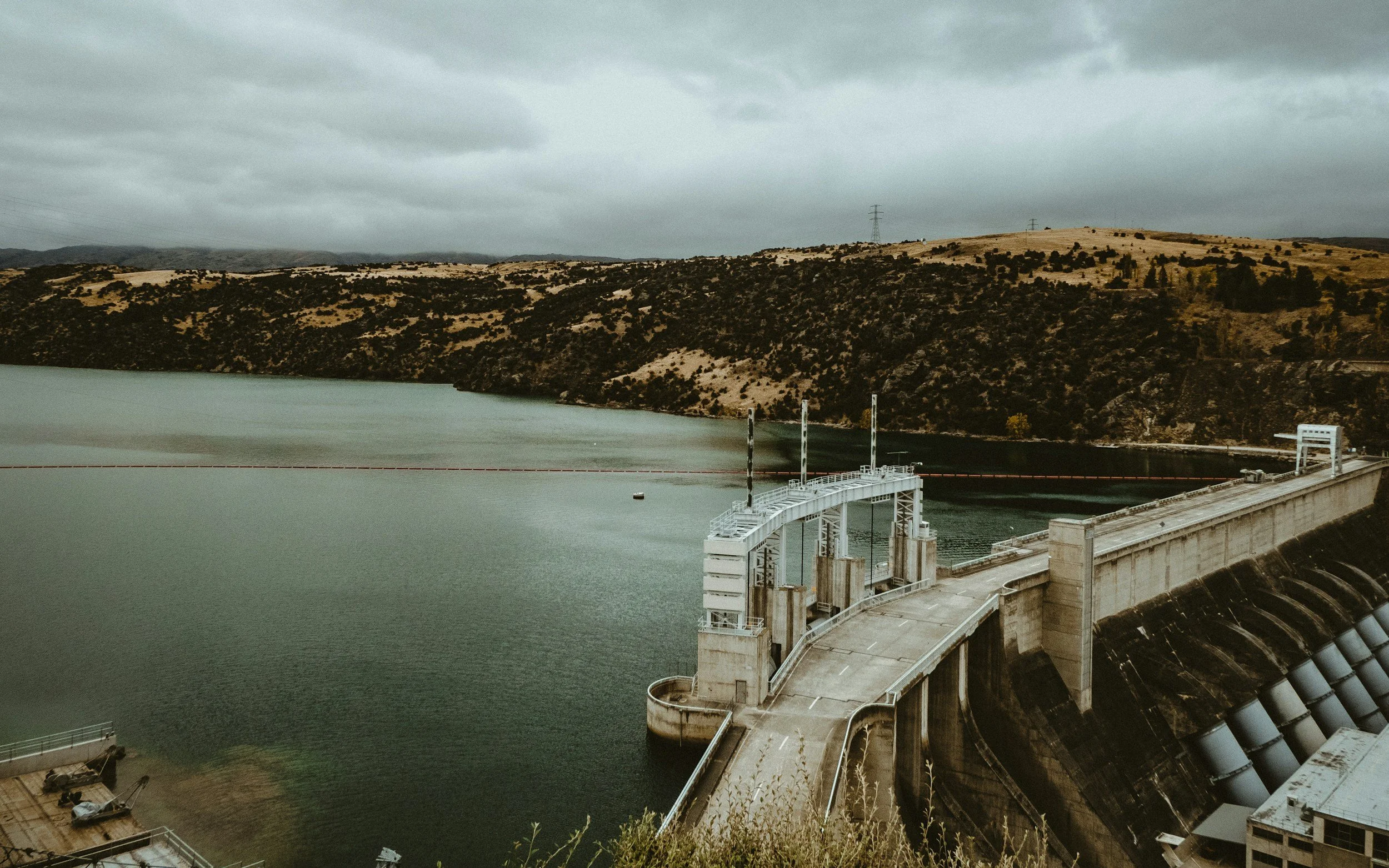
David Thompson's Surveying and Mapping of the Northwest of North America
David Thompson (1770–1857)—surveyor, map-maker, explorer, and fur trader for both the Hudson’s Bay and North West Companies—is considered “the greatest land geographer that the world has produced,” despite his serious visual impairment. Often accompanied by his Métis wife, Charlotte Small, he surveyed and mapped a vast region stretching from 45°N to 60°N latitude and from the western shores of Hudson Bay to the Pacific Ocean between 1790 and 1812.
This paper is available in the Canadian Society for Civil Engineers 2022 Annual Conference Proceedings, HERE.
-
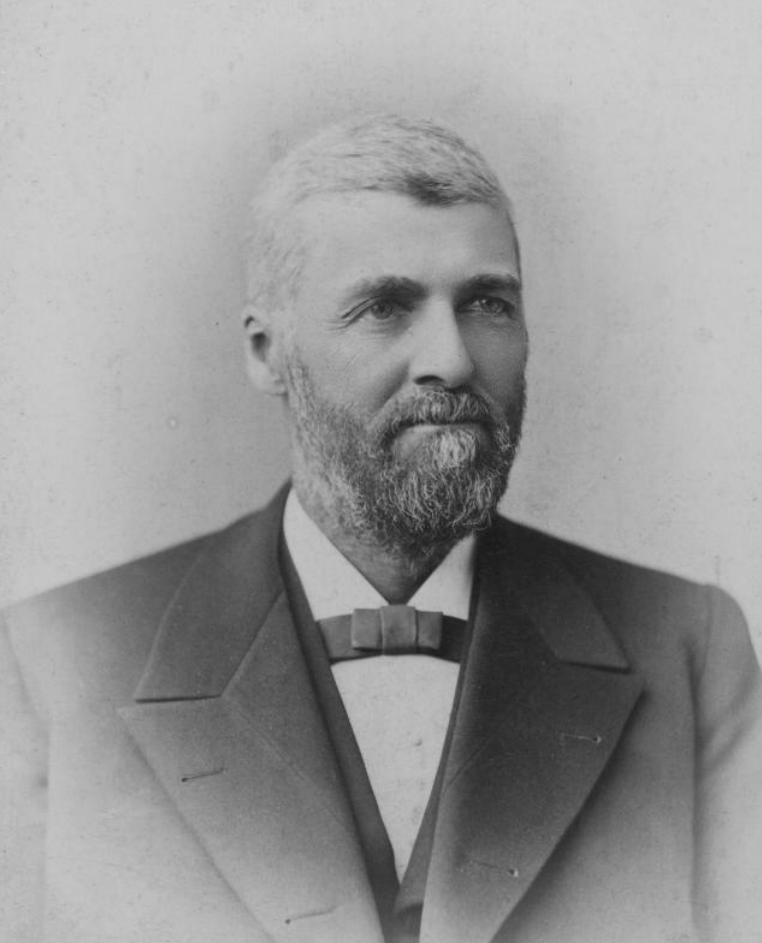
Edwin S. Nettleton (1832-1901): Colorado’s State Engineer
In the literature of the history of the arid American West, names of prominent figures like Frederick Haynes Newell, Arthur De Wint Foote, Hiram Chittenden, William Hammond Hall, and Elwood Mead often appear. These men—engineers all—have rightly been the focus of much research and analysis for the impact that their work had on the development of the region’s water resources. Less known, but of comparable influence, is Edwin Shelton Nettleton: Chief Engineer on the early irrigation works of Greeley Colony, leading Consulting Engineer, Colorado State Engineer, and Federal investigator on questions of water use in the West.
This paper is available in the proceedings of the World Environment and Water Resources Congress 2023, HERE.
-
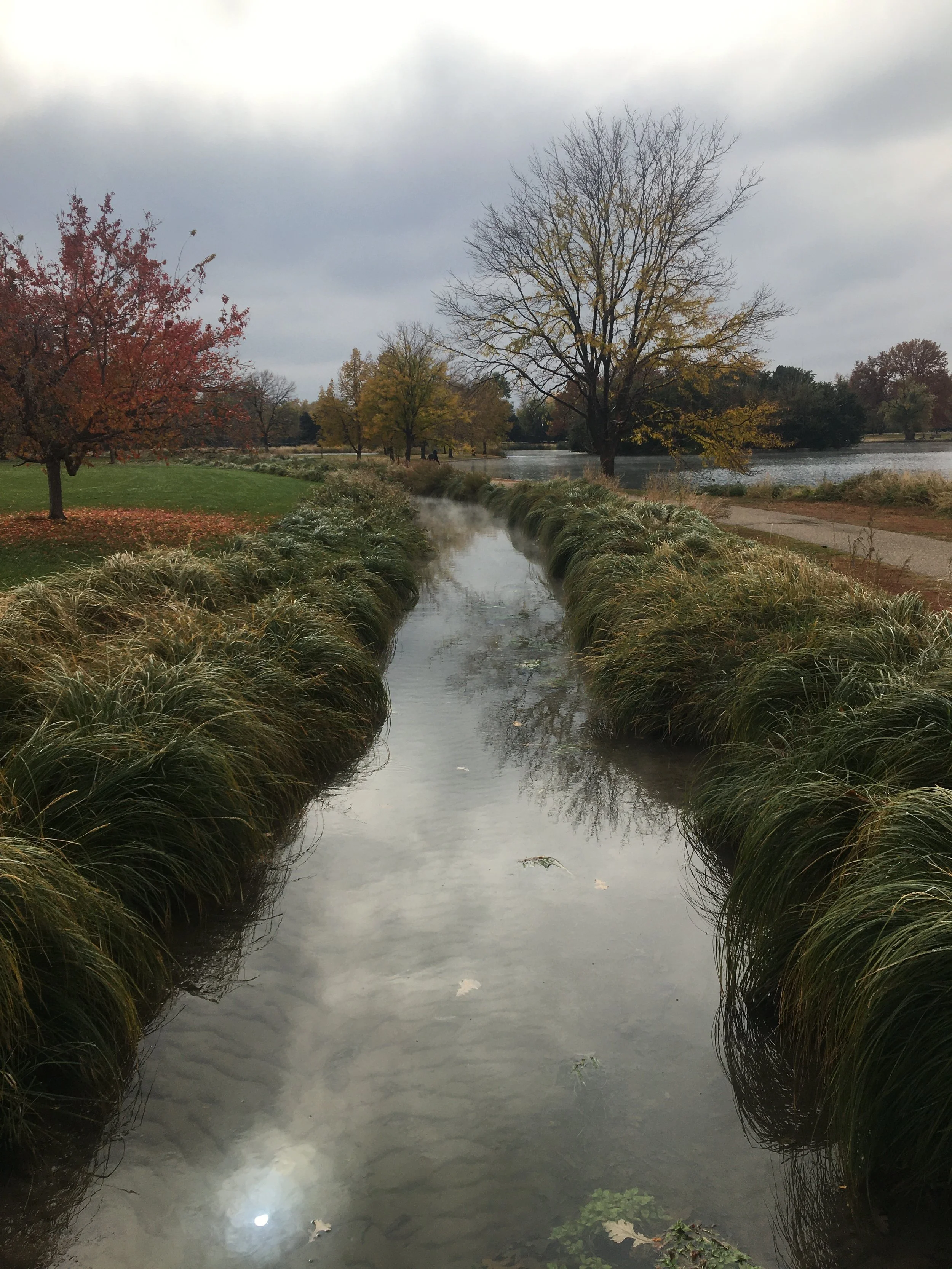
The First City Ditch: Colorado’s Earliest Attempt at Hydraulic Engineering
Denver’s City Ditch was the first attempt in Colorado Territory, and among the first in the arid West generally, to manipulate a natural water resource in such a way that an engineering skillset was required to do so. Only about one-third of the ditch was built, though, before construction was stopped for reasons unexplained. Earl L. Mosley, in his History of the Denver Water System, speculated that some failure of the engineering might have been the cause. To the contrary, by drawing on the previously uncited minutes book of the Capitol Hydraulic Company, an 1883 decree of water rights, and other resources, this article shows that there was likely nothing technically inadequate with the design and that the construction was suspended instead for financial reasons.
The paper is available in proceedings of the World Environment and Water Resources Congress 2021, HERE.